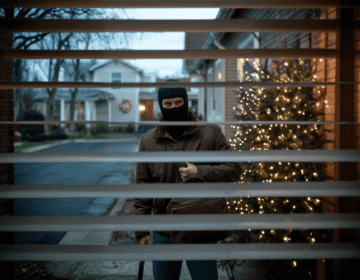
For school leaders, lockdown planning has become part of a much wider responsibility to consider how a site would respond during an extreme incident and how staff and pupils could be protected in those first critical moments. Across schools, academies, and colleges, the focus quite rightly begins with policy, training, and communication, yet in a real lockdown situation the physical ability to secure rooms quickly and confidently matters every bit as much, which is why door security needs to support the plan rather than trail behind it.
What Is Martyn’s Law?
Martyn’s Law is the common name for the Terrorism (Protection of Premises) Act 2025, which received Royal approval from the King on 3rd April 2025. The guidance says education settings come under the law when it’s reasonable to expect 200 or more people on site. It also confirms that early years, primary, secondary and further education settings will fall into the standard tier, even if 800 or more people might be there. Schools will then have at least 24 months to prepare before the Act takes effect, with more statutory guidance published in that time. You can check the government guidance for education settings for the full details. You can read the government guidance for education settings for the official wording.
Lockdown Procedures Are Only as Strong as the Doors Behind Them
Policies matter, staff briefings matter, and communication systems matter, but none of those things removes the need for a room to be physically secured when it counts. In a real situation, staff may be trying to keep children calm, move pupils away from windows and doors, and make quick decisions while under a great deal of stress. That is not the moment to discover that a classroom door can only be locked from the outside, that the lock is awkward to use, or that someone would need to step into a corridor to secure it properly.
This is where schools often need to pause and ask some very practical questions. Can classroom doors be secured quickly from inside the room? Do staff already know how to do that without hesitation? Are internal doors strong enough to support the lockdown procedure already written into the school’s plans? Are locking systems simple enough to use under pressure, even by someone who is frightened, distracted, or trying to supervise a class at the same time? Those questions sit at the heart of lockdown readiness because a procedure can only work well if the building itself allows staff to carry it out safely.
Practical Door Security Measures Schools Should Review
Classroom Door Security
Classroom doors are often the most important doors in any lockdown scenario. Staff need a quick, consistent way to secure them from inside the room without exposing themselves to unnecessary risk. That may involve reviewing existing lock types, ensuring they can be operated internally, and assessing whether the doors themselves are suitable for the role they may need to perform during a lockdown. A system that’s fiddly, unclear or slow to use may be fine in day to day situations but far less effective when stress levels rise.
Main Entrance Control
Front entrance security plays a major role in reducing risk before a threat ever reaches teaching spaces. Schools should review how visitors are admitted, how access is controlled during the day and how reception staff manage unexpected arrivals. Importantly however, reliable entrance control doesn’t remove the need for internal lockdown capability, but it is a key part of the overall picture and should sit alongside classroom security rather than in place of it.
Key Control and Access Levels
Clear control over keys and access permissions is another area schools should be mindful of. Master key systems, restricted key profiles and sensible access levels can all help reduce confusion and improve control. Schools should know exactly who can unlock which doors, where spare keys are held and how quickly staff can respond without creating delays or unnecessary movement during an incident.
Supporting Lockdown Procedures with the Right Door Solutions
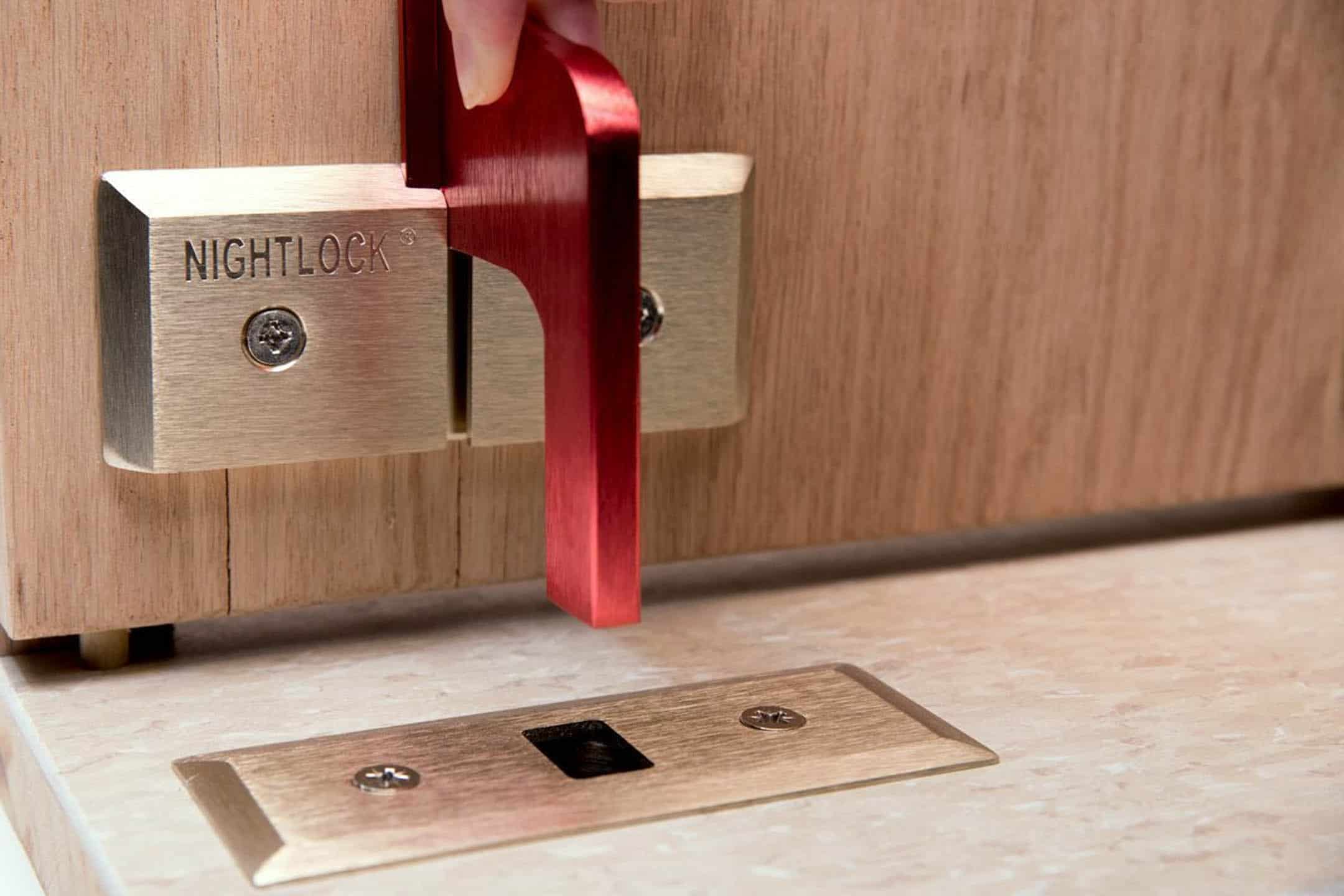
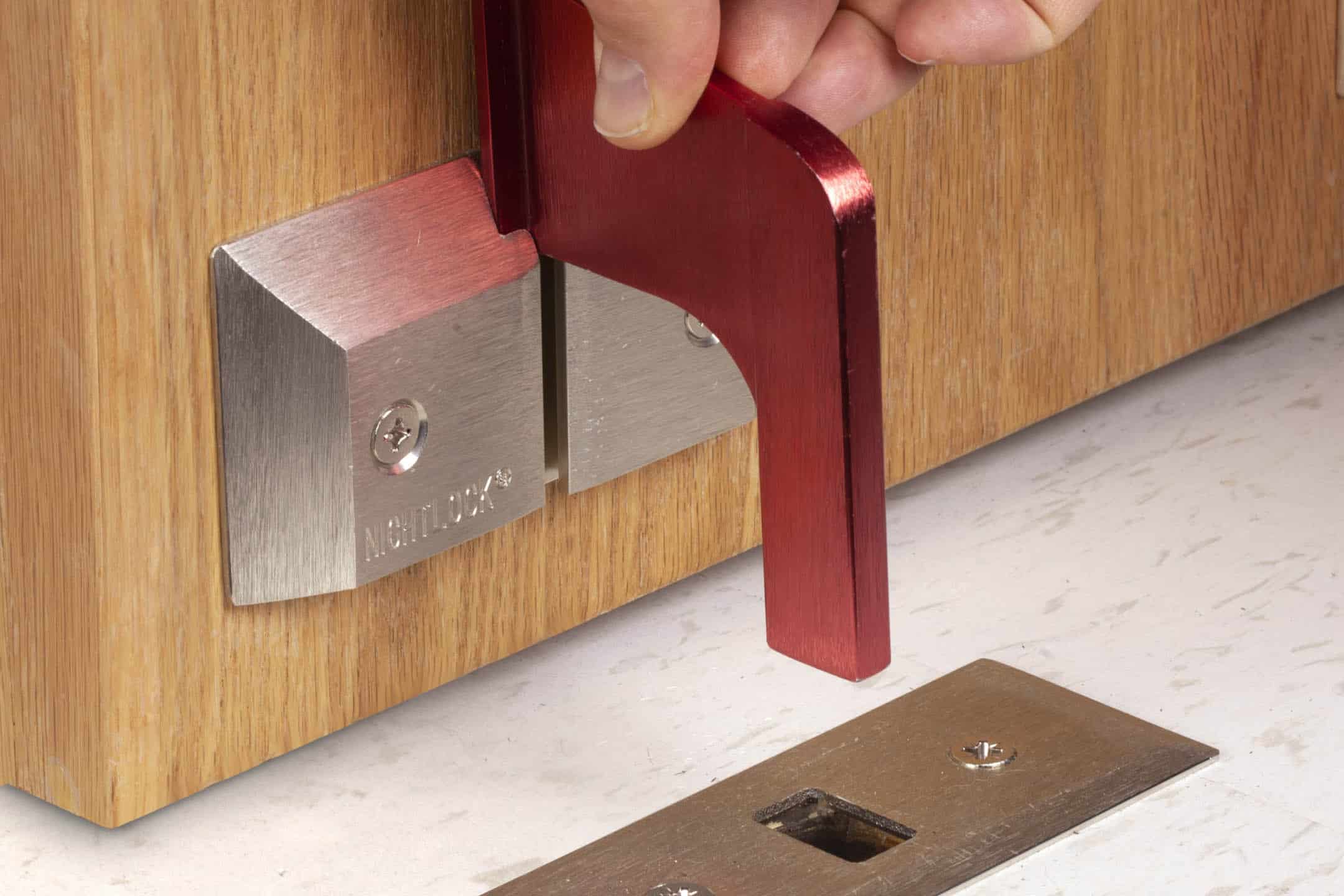
Some schools already have suitable locks in place but still want an added layer of support for specific areas. In some settings, additional internal door reinforcement systems, such as Nightlock installation for schools, are used to support existing locks during a lockdown situation. This type of system should be seen as one part of a wider security plan. The important point here is that these systems should be seen as an added layer rather than a complete solution on their own.
That distinction matters. Used properly, professionally installed reinforcement can support a school’s existing procedures by helping staff secure rooms more effectively, but it still needs to sit within a wider plan that includes staff training, sensible communication, and a clear understanding of how different parts of the building function during a lockdown. In other words, it should support the plan, not try to replace it. Schools exploring this area may want to review the Nightlock installation for schools page alongside the government guidance so they can consider door security in a practical, proportionate way.
Why the Summer Break Is the Right Time to Review Security
The summer break often gives schools the best opportunity to review security without disrupting lessons, exams or normal daily routines. Site access is usually easier to manage, classrooms are more accessible and work can be planned with fewer operational pressures. It is also a sensible point in the year to consider budget allocation, estate planning and compliance readiness ahead of the next academic cycle.
Taking action during the break also allows schools to be proactive rather than reactive. Instead of waiting for guidance deadlines to get closer or for a weakness to become obvious during a drill, leaders can use the quieter period to assess current door security, identify gaps and plan improvements in a measured, practical way.
A Practical Next Step for School Leaders
For many schools, the right next step is not a large scale upgrade programme. It is a clear review of what already exists and how well it would perform in a lockdown situation. A school security review can help assess door security, examine lockdown capability, plan improvements sensibly and avoid unnecessary spending on measures that do not suit the site.
RLM Locksmiths works with schools to look at practical door security in the real context of how staff use the building every day. That means reviewing current locks, internal securing options, access arrangements and door functionality with the aim of supporting a sensible, site specific plan. If your school wants a practical starting point, contact RLM Locksmiths to arrange a security review and take a measured step towards stronger lockdown readiness.